Villa Poss
- December 18, 2025 - Journeys
A Mansion Where Grandeur Meets Abandonment
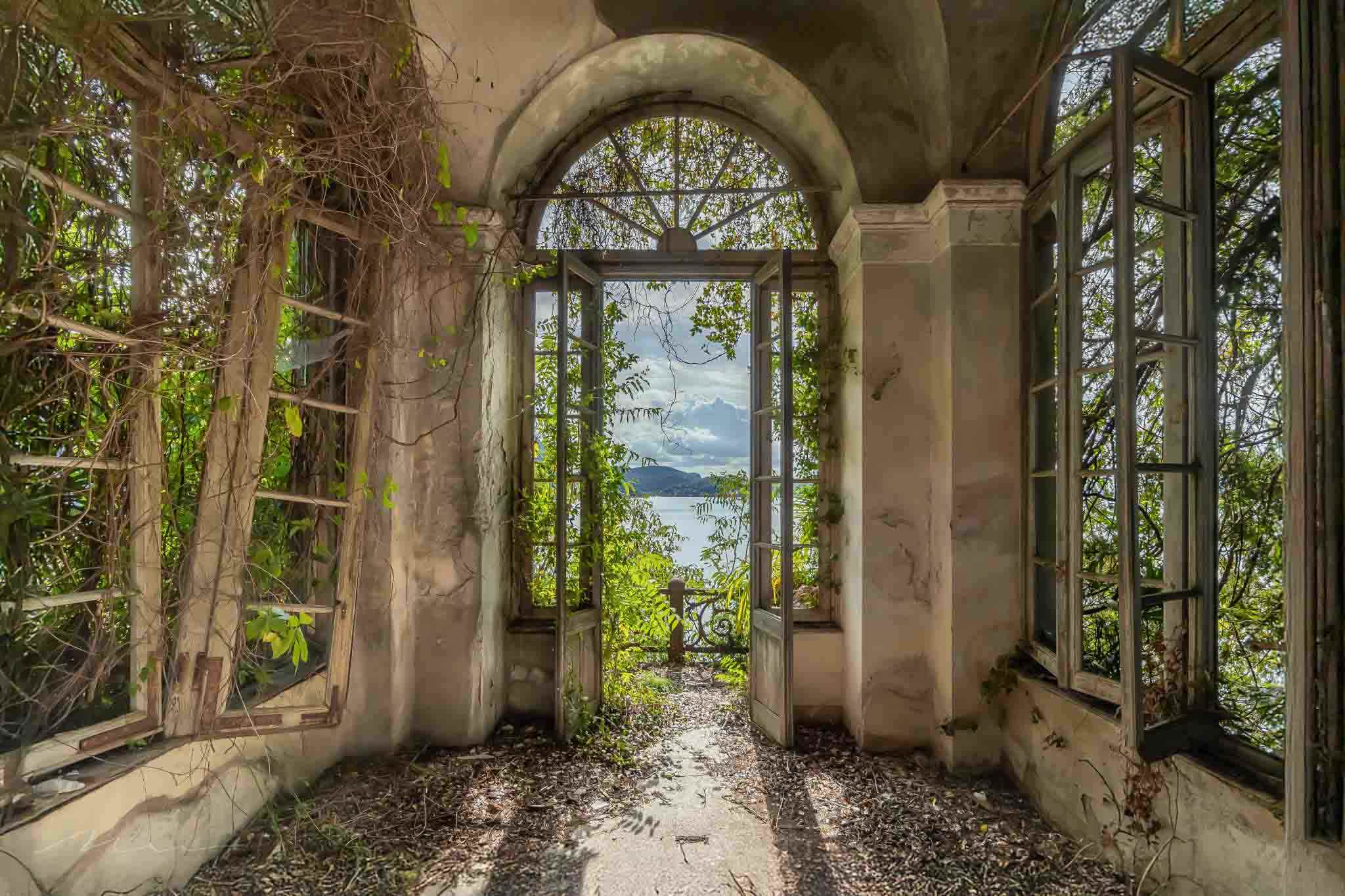
Perched high above the scenic shoreline of the Lake, Villa Poss stands as one of Europe’s most evocative abandoned villas. Once a prestigious 19th-century residence—admired for its panoramic views, botanical gardens, and dramatic architecture—the property has slowly transformed into a captivating ruin.
Despite decades of neglect, Villa Poss continues to attract photographers, urban explorers, architectural historians, and lovers of faded aristocratic beauty. The villa is more than a structure; it is a visual archive of ambition, collapse, and time’s quiet reclamation.
This article explores the history of Villa Poss, the story of Alessandro Poss, and the current state of this abandoned estate that has become an iconic location for atmospheric fine-art photography.
The Origins of Villa Poss: A Vision of Prestige
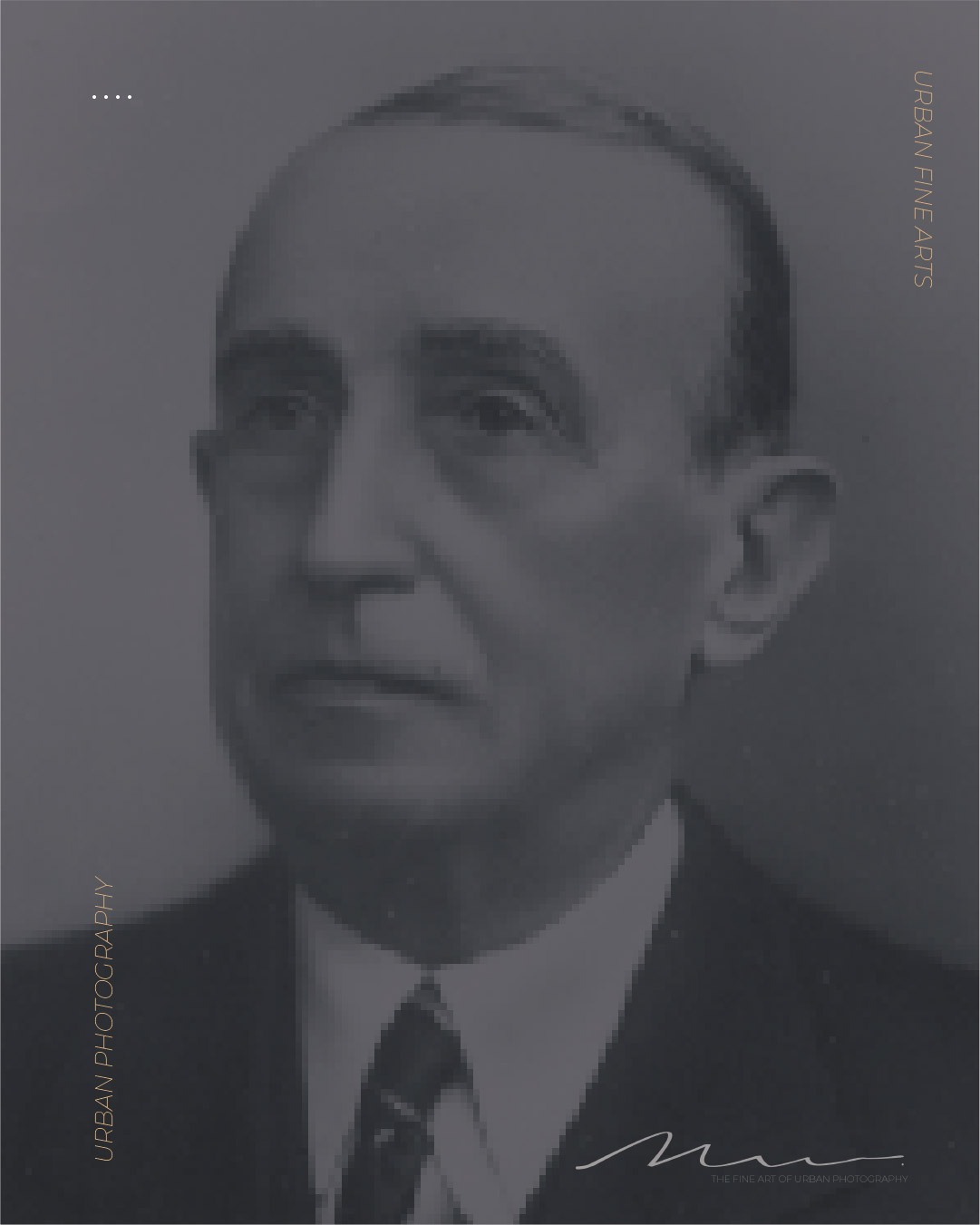
Villa Poss takes its name from Alessandro Poss, an Italian businessman and patron of art and nature. Poss envisioned the property not merely as a residence, but as a symbol of elite culture. He invested heavily in landscaping, architectural embellishments, and botanical diversity.
During its prime, the estate featured:
-
Extensive gardens and terraces overlooking Lake Maggiore
-
More than 150 species of rare and exotic plants
-
Greenhouses, gazebos, fountains, and carriage paths
-
Stables, agricultural areas, and woodland walks
-
A monumental tower anchoring the villa’s silhouette
Poss dedicated significant resources to transforming the hillside into a luxury retreat, fusing nature, architecture, and status.
Architectural Grandeur and Interior Design
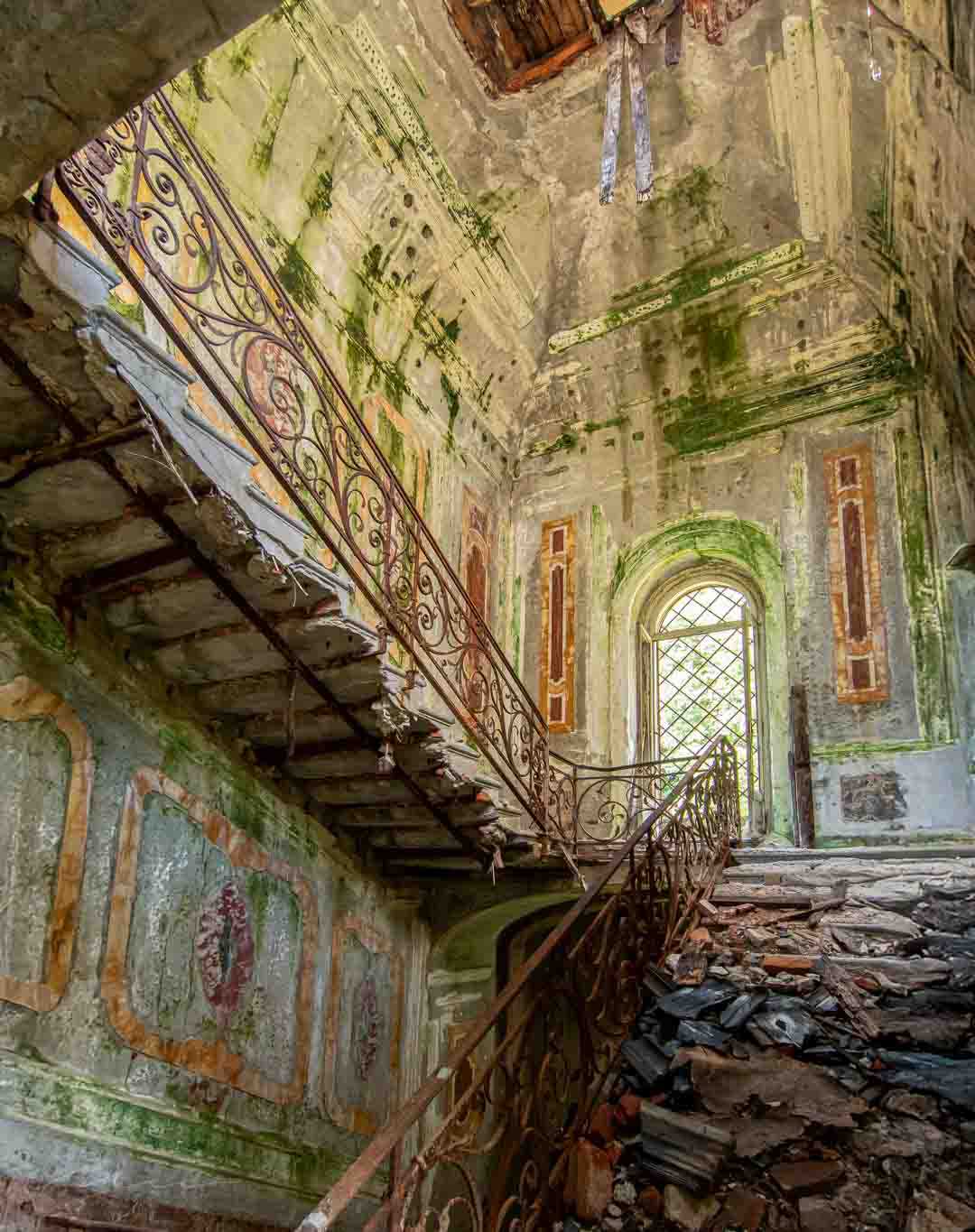
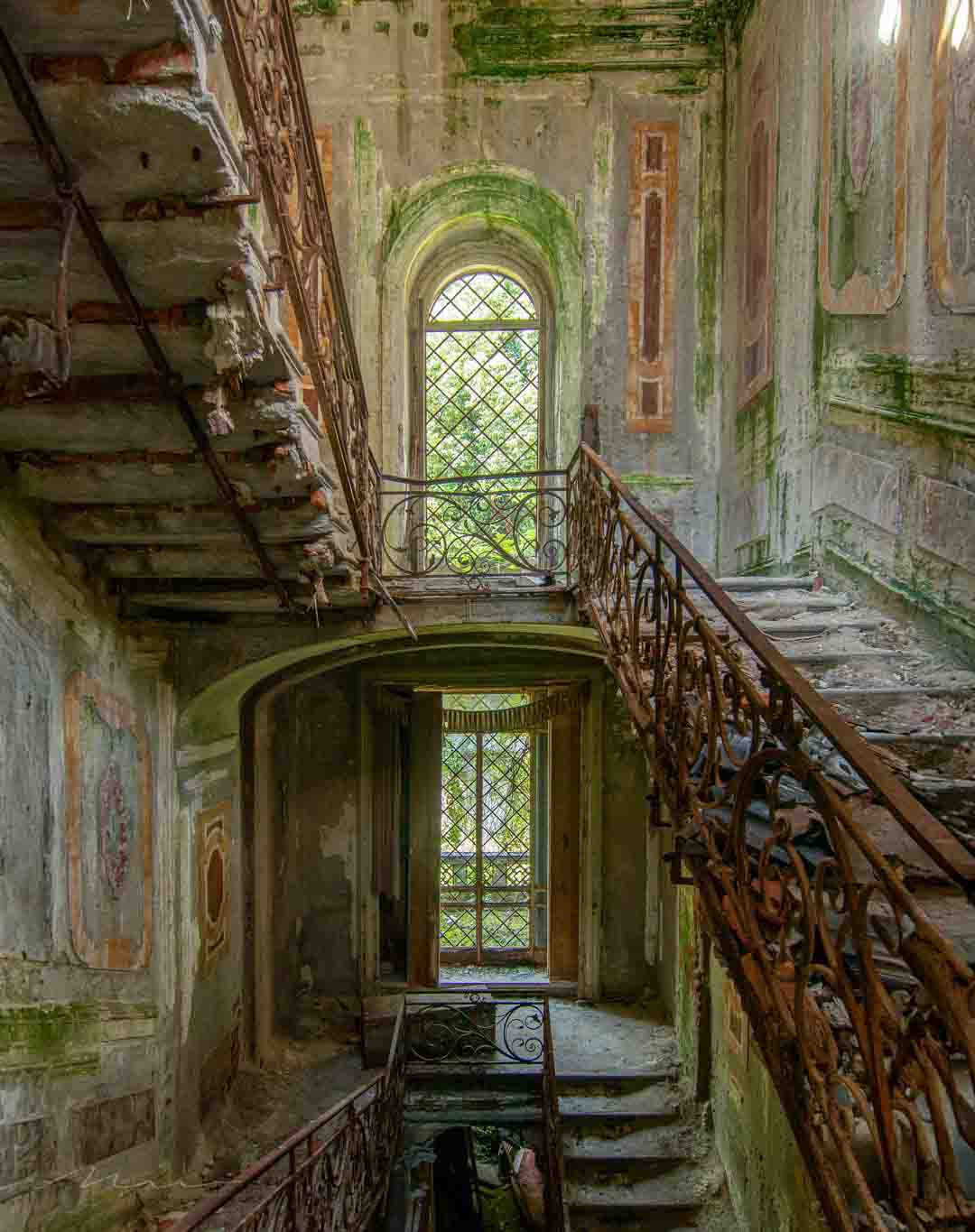
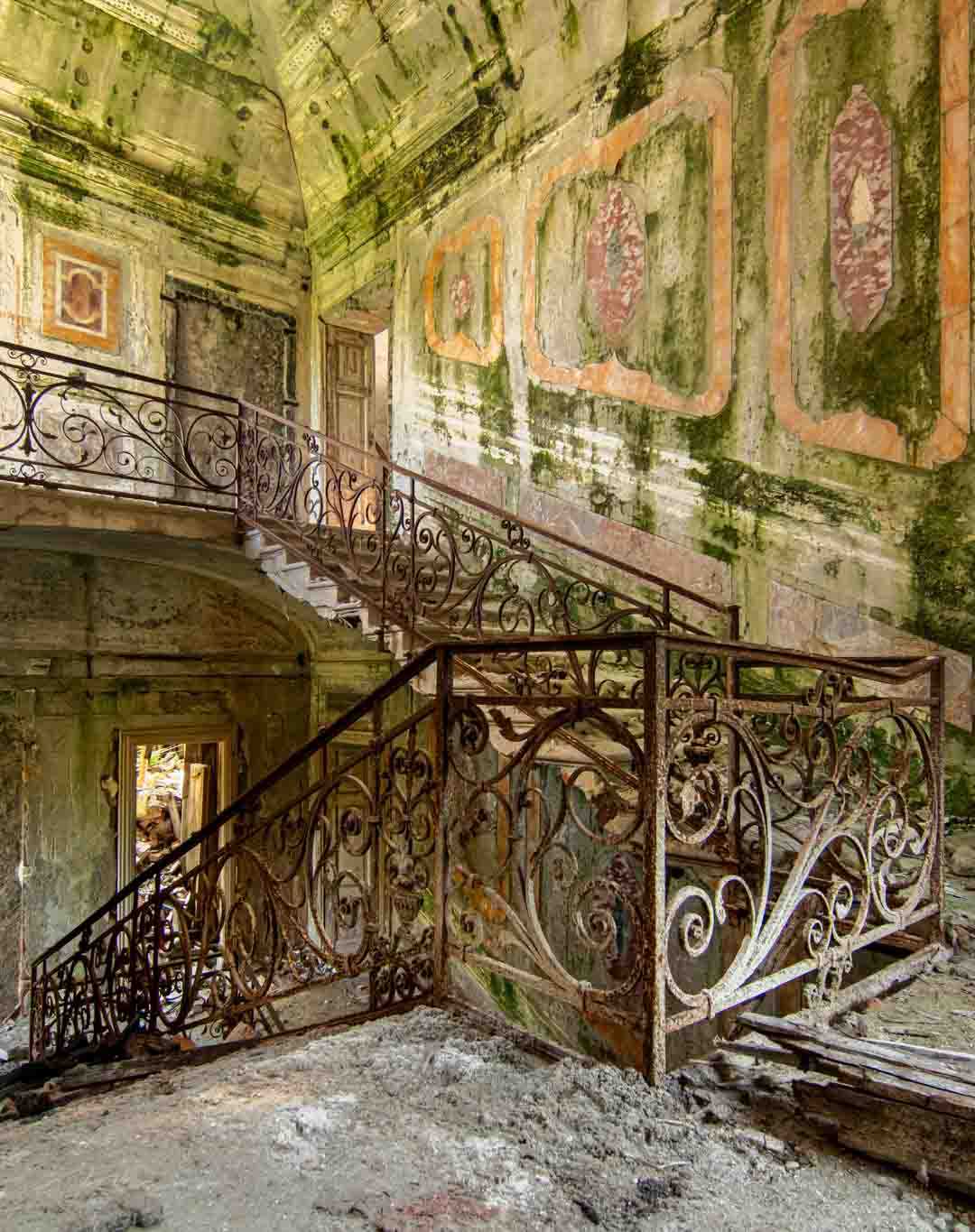
The villa’s original aesthetic blended neo-romantic architecture with classical Italian references, rich interior carpentry, and a tower engineered for sweeping views across the lake. Inside, visitors would have encountered marble staircases rising past carved stonework, decorative plaster ceilings overhead, intimate library rooms and drawing salons, and elegant bedrooms opening onto balconies that faced the water. In its prime, Villa Poss offered a level of European grandeur that easily rivalled the great lakeside estates of Como, Lugano, and the French Riviera.
Decline, Abandonment, and Natural Reclamation
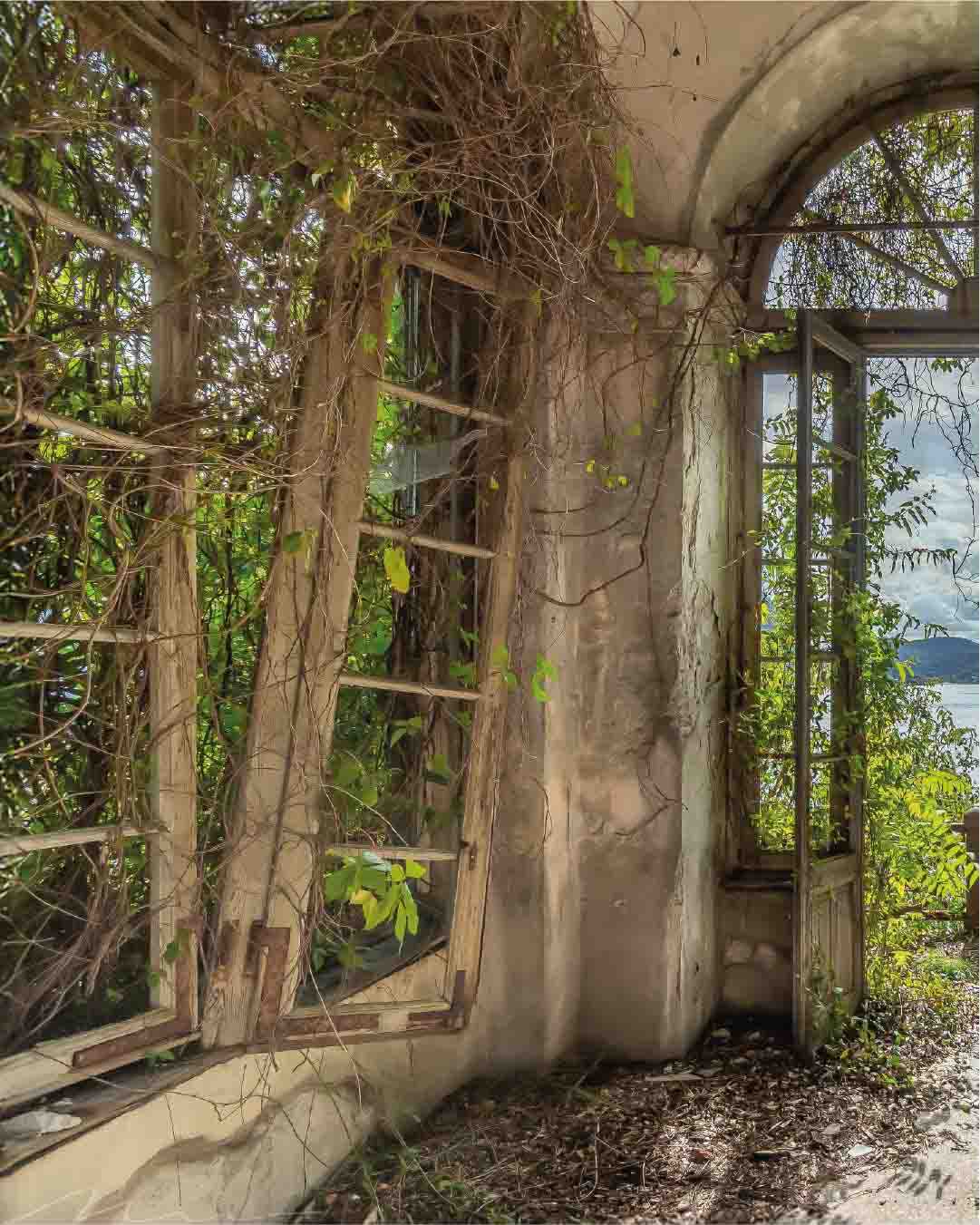
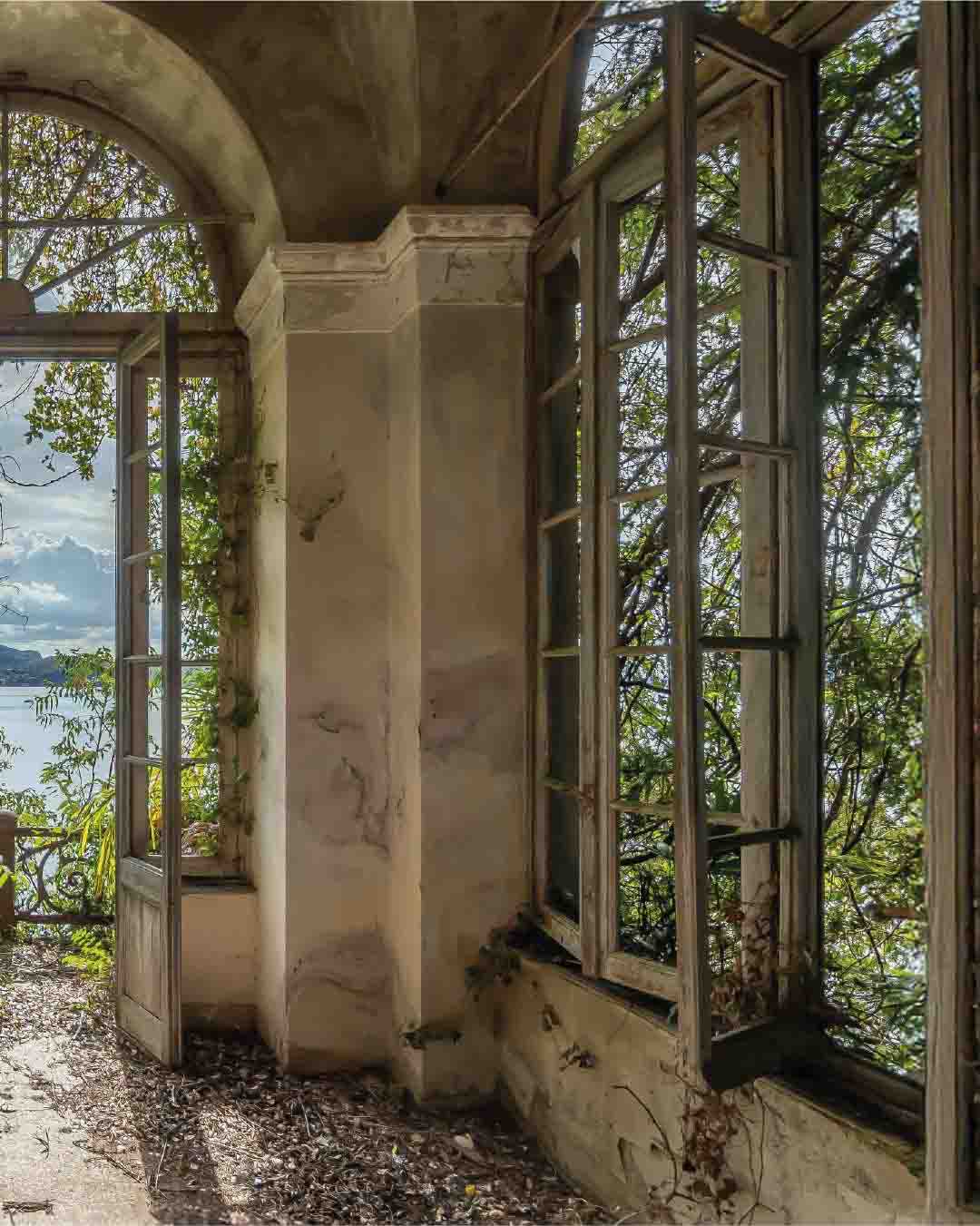
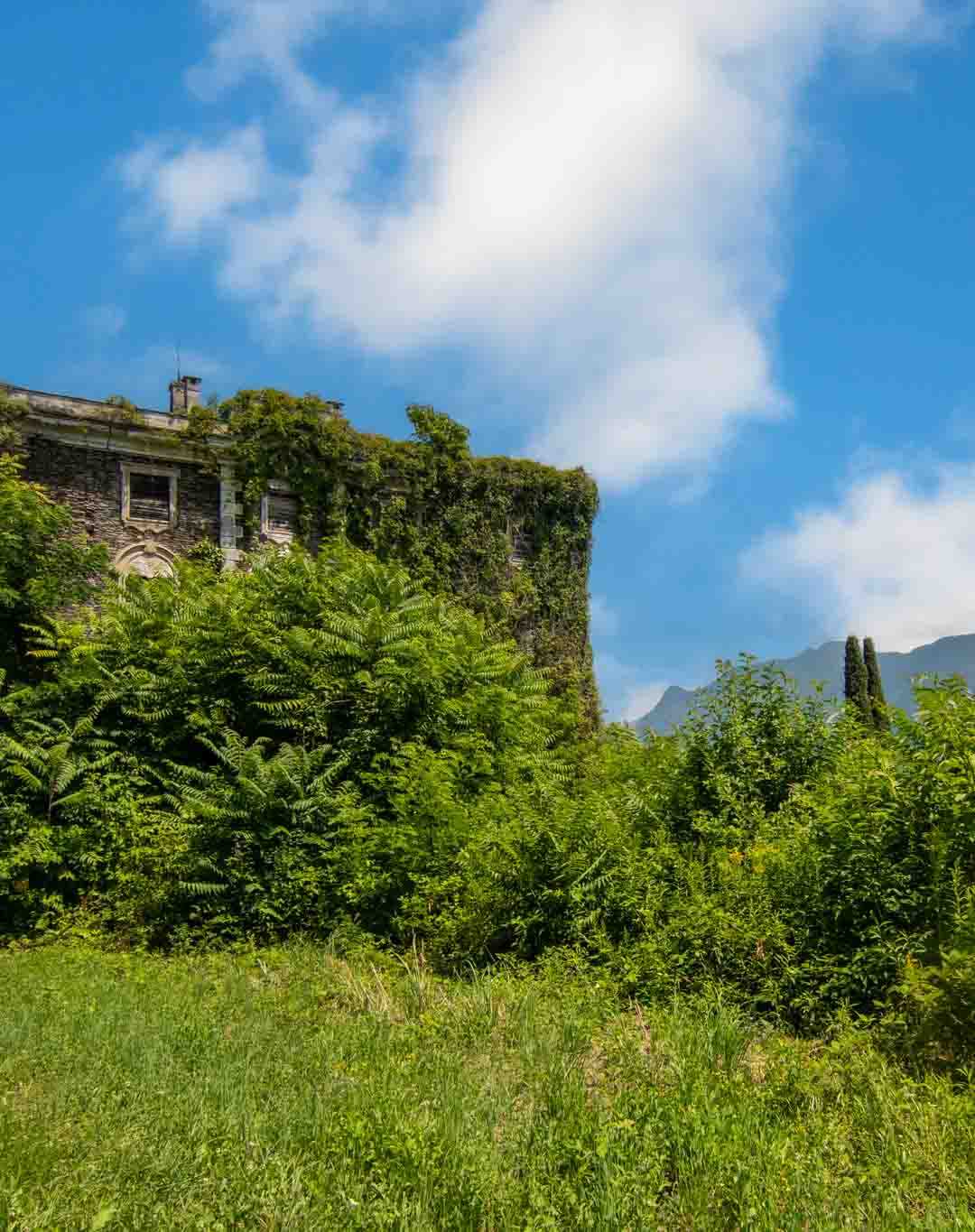
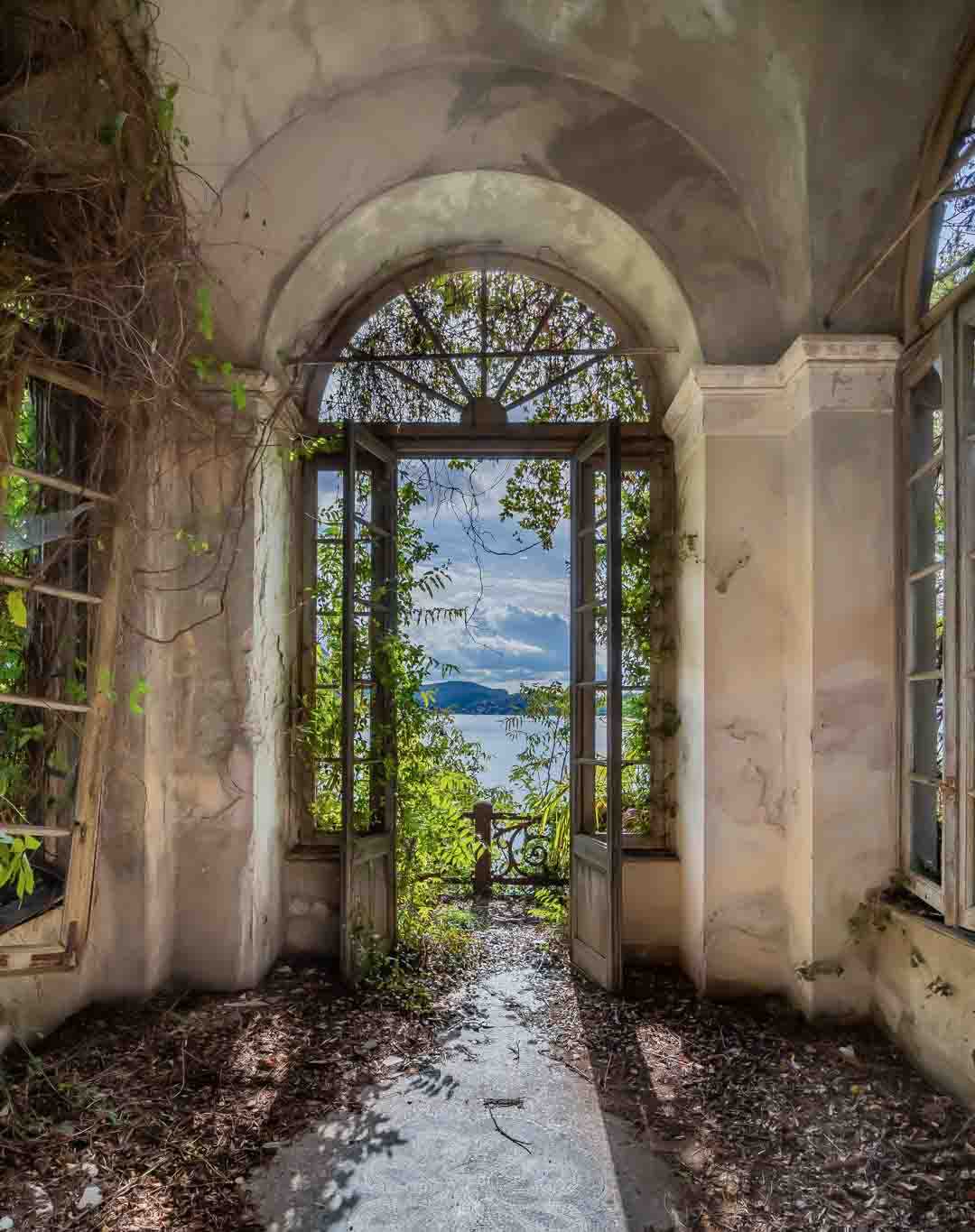
After decades of changing ownership, financial difficulties, and a lack of upkeep, Villa Poss began to deteriorate in the mid-twentieth century, and by the 1950s it had slipped into a long period of abandonment. Weather damage hastened its decline, the once-dominant tower eventually collapsed, and the interiors were left exposed to moisture, storms, and the steady erosion of time. Nature advanced across the terraces, roofs, and walkways, creating the slow organic takeover that now defines the estate’s visual identity.
Today, Villa Poss exists in a delicate balance: historically significant, structurally fragile, and visually extraordinary. Despite proposals ranging from luxury hospitality concepts to cultural redevelopment, none have come to fruition. The villa remains suspended in a state of limbo—preserved by curiosity and admiration, yet perpetually vulnerable to further decay.
Beauty, Memory, and the Passing of Time.
Villa Poss is a reminder that architecture—and ambition—is vulnerable to time. Alessandro Poss imagined a world of botanical splendor and cultural prestige. What remains today is the skeleton of that vision: a hauntingly beautiful ruin that now belongs to memory, vegetation, and the imagination of those who photograph it. As long as Villa Poss stands, it will continue to whisper its story. And for photographers, it remains a place where beauty and impermanence coexist—perfectly, painfully, and poetically.